
Glaucoma Care in Honolulu
At Simply Eyes Hawaii, our eye doctors provide advanced glaucoma screening, early detection, and personalized care using the latest diagnostic technology. Because glaucoma often develops slowly and without early symptoms, regular eye exams are essential to protect your vision and overall eye health.
Our mission is to help patients across O‘ahu maintain clear, healthy vision at every stage of life. Whether you’re visiting for your first comprehensive eye exam or ongoing glaucoma monitoring, our experienced optometrists are here to guide you with care and compassion.
What Is Glaucoma?
Glaucoma is a group of eye diseases that damage the optic nerve, the vital link between your eyes and brain. This damage is often caused by high pressure inside the eye (intraocular pressure), though glaucoma can also occur even when eye pressure is normal.
Over time, this pressure damages the optic nerve fibers responsible for transmitting visual information. Vision loss usually begins in the peripheral (side) vision, making it difficult for patients to notice changes until the disease has progressed. Without treatment, glaucoma can lead to irreversible blindness.
At Simply Eyes Hawaii, we focus on early detection and ongoing management to protect your eyesight long before symptoms appear.
Why Early Detection Matters
Glaucoma is often called “the silent thief of sight” because it causes gradual vision loss without warning. Early detection through regular eye exams is the best defense against long-term damage.
Certain people are at higher risk for glaucoma, including those who:
- Have a family history of glaucoma
- Are over the age of 40
- Are of Asian, African, or Hispanic descent
- Have diabetes, high blood pressure, or migraines
- Have thin corneas or elevated eye pressure
Even if you have no symptoms, routine testing helps us detect early structural changes to your optic nerve. Identifying glaucoma in its earliest stages allows for treatment that can prevent vision loss and preserve lifelong eye health.
Advanced Glaucoma Testing at Simply Eyes Hawaii
Our clinic in Honolulu uses advanced imaging and diagnostic tools to evaluate your optic nerve health and intraocular pressure. Depending on your eye exam, testing may include:
- Tonometry – Measures the pressure inside your eyes quickly and comfortably.
- Optical Coherence Tomography (OCT) – Provides detailed, cross-sectional images of the optic nerve and retinal layers.
- Visual Field Testing – Checks your side vision to detect subtle blind spots.
- Gonioscopy – Evaluates the drainage angle inside the eye to determine the type of glaucoma.
- Fundus Photography – Captures high-resolution images of your optic nerve for comparison over time.
Together, these tests give our doctors a precise view of your eye health and help determine whether you’re at risk for developing glaucoma.
Personalized Treatment and Management
If glaucoma is detected, our team develops an individualized management plan based on your type of glaucoma, eye pressure readings, and lifestyle needs. Common treatment options include:
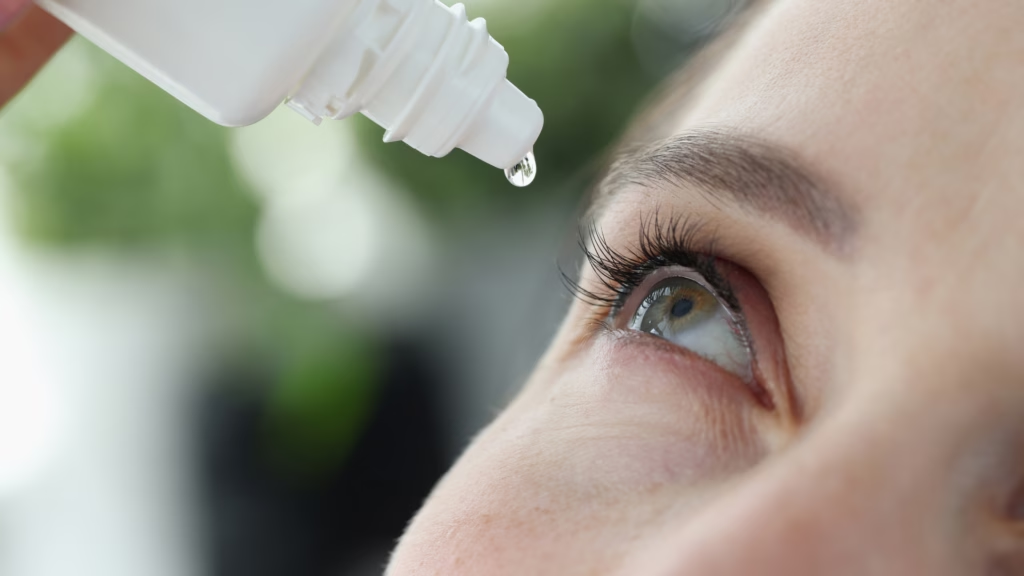
- Prescription eye drops to lower eye pressure
- Oral medications in specific cases
- Laser or surgical co-management with ophthalmologists when appropriate
- Regular monitoring to track eye pressure and optic nerve stability
Because glaucoma is a chronic condition, consistent follow-up is key. Our doctors ensures that each patient receives clear explanations, progress updates, and guidance on maintaining stable vision over time.
Meet Your Honolulu Eye Doctors for Glaucoma Care
At Simply Eyes Hawaii, glaucoma care is led by experienced local optometrists who combine clinical expertise with personalized attention.
Dr. Tracie Inouchi and Dr. Sherry Wong have extensive experience diagnosing and managing glaucoma in Honolulu’s diverse community. They take time to explain every test result, treatment plan, and follow-up recommendation so you always understand your eye health.
Our practice emphasizes long-term relationships with patients and coordinates care with ophthalmologists when surgical or advanced intervention is required. You’ll receive comprehensive management under one trusted team.
Schedule a Glaucoma Evaluation in Honolulu
If it’s been more than a year since your last eye exam, now is the time to schedule a glaucoma evaluation. Whether you have known risk factors or simply want to stay proactive about your eye health, early testing provides peace of mind and protection for your vision.

FAQ
A: Most adults should have a comprehensive eye exam every year. People with risk factors may need more frequent testing as advised by their optometrist.
A: Glaucoma cannot be cured, but early detection and consistent treatment can prevent or slow further vision loss.
A: Most forms of glaucoma have no early symptoms. Peripheral vision loss develops slowly, which is why regular screening is crucial.
A: Yes, most medical insurance plans cover glaucoma testing and follow-up visits. Our staff can help verify your coverage before your appointment.
No. Eye pressure is a major risk factor, but glaucoma is the optic-nerve damage that can result. Your eye doctor looks at several findings, not just pressure, to diagnose and manage i
Yes. Glaucoma often has no early symptoms, and many people don’t know they have it. Regular exams are critical.
No. Glasses and contact lenses correct refractive errors. Glaucoma requires medical treatment and monitoring to protect your vision