
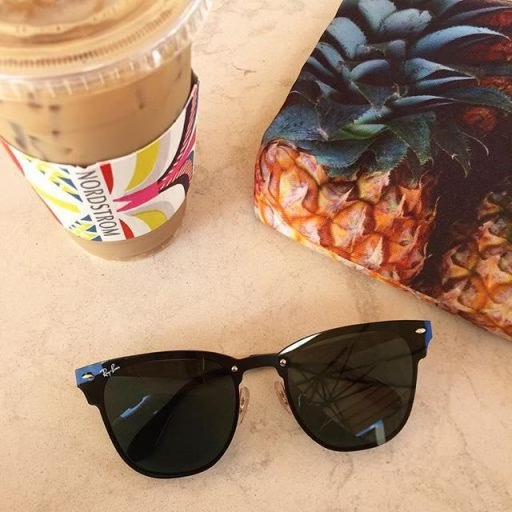
Warmer days often mean more time outside. That could be beach afternoons, errands in town, or kids’ sports. UV protection sunglasses help protect your eyes and the delicate skin around them.
UV rays show up year-round, even on cloudy days. Reflection can increase exposure near water, sidewalks, and windshields. Over time, UV damage adds up. It can lead to more squinting and glare sensitivity. Long-term exposure may also affect eye comfort and eye health.
At Simply Eyes Hawaii, we tell patients that sun protection is a daily habit. The right sunglasses make outdoor time easier. They also support healthier vision for the long run.
UV Protection Sunglasses Honolulu: The Non-Negotiables
Start with 100% UVA/UVB protection (often labeled UV400). Dark lenses do not guarantee protection. Always check the label.
Look for features that improve comfort, too:
- Polarized lenses: Reduce glare from roads and water. This helps during driving and beach days.
- Larger lenses or wraparound frames: Block light from the sides. They also protect more of the eyelid area.
- Good fit: Sunglasses should sit securely without pinching. Comfort matters when you wear them often.
Already have sunglasses? Bring them to your next visit. We can help you confirm they provide true UV protection.
Lens Tint Choices for UV Protection Sunglasses Honolulu
Tint changes how things look and feel outside. UV protection should still be 100% either way.
- Gray: Keeps color perception more natural. Many people like it for bright midday sun.
- Brown/amber: Boosts contrast and depth perception. It can feel clearer in shifting light.
- Photochromic Lenses: If you’d rather not carry two pairs, photochromic lenses are worth a look. These lenses stay clear indoors and darken automatically outdoors, adjusting to Hawaii’s changing light throughout the day. We fit Hoya Sensity photochromic lenses, including versions designed to darken behind the windshield for daytime drivers. They won’t fully replace polarized sunglasses for long beach days or time on the water, but for everyday errands around town, they’re a convenient way to stay protected without switching glasses.
Simple Daily Sun Habits
Whether you’re heading to the beach from Ala Moana or running errands around Makiki and Mō’ili’ili, keeping a pair in reach makes it easy to stay protected.Consistency beats perfection. Try these quick habits:
- Keep sunglasses by your keys or in your car.
- Add a wide-brim hat for longer outdoor time.
- Consider prescription sunglasses if you wear glasses.
FAQ
Yes. UV rays pass through clouds, so protection matters even when the sun isn’t visible.
No. Polarization reduces glare, while UV protection blocks harmful rays. A quality pair of sunglasses should have both.
Yes, and it’s especially important. Children’s eyes let in more UV light than adult eyes, so early protection matters.
Check the label for 100% UVA/UVB or UV400. If you’re not sure, bring them to your next visit and we’ll check for you.
Dr. Sherry Wong and our team at Simply Eyes Hawaii can help you choose the right fit and lens options. If you’re shopping for UV protection sunglasses Honolulu, contact us and we’ll guide you in the right direction.